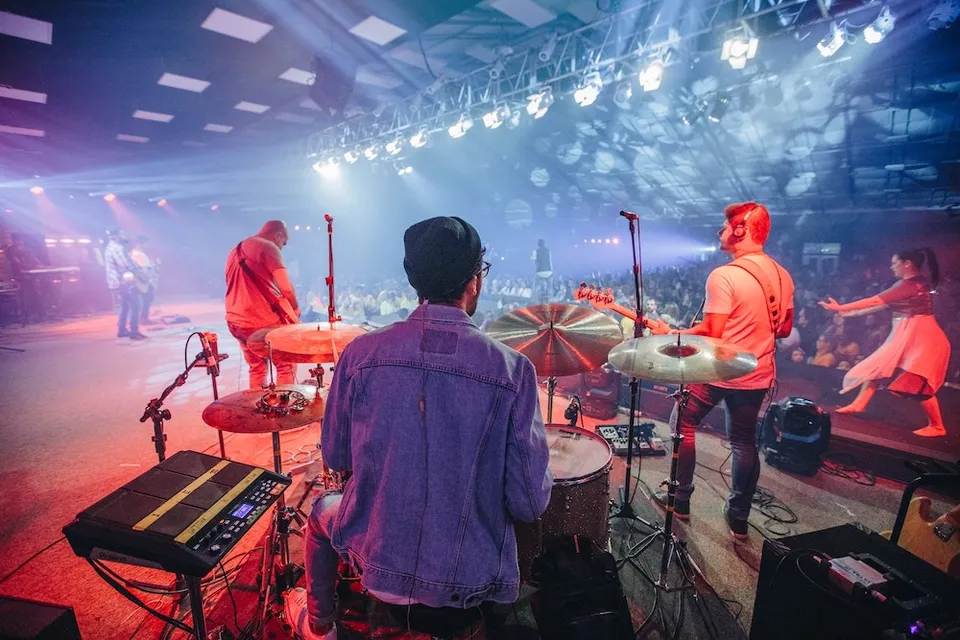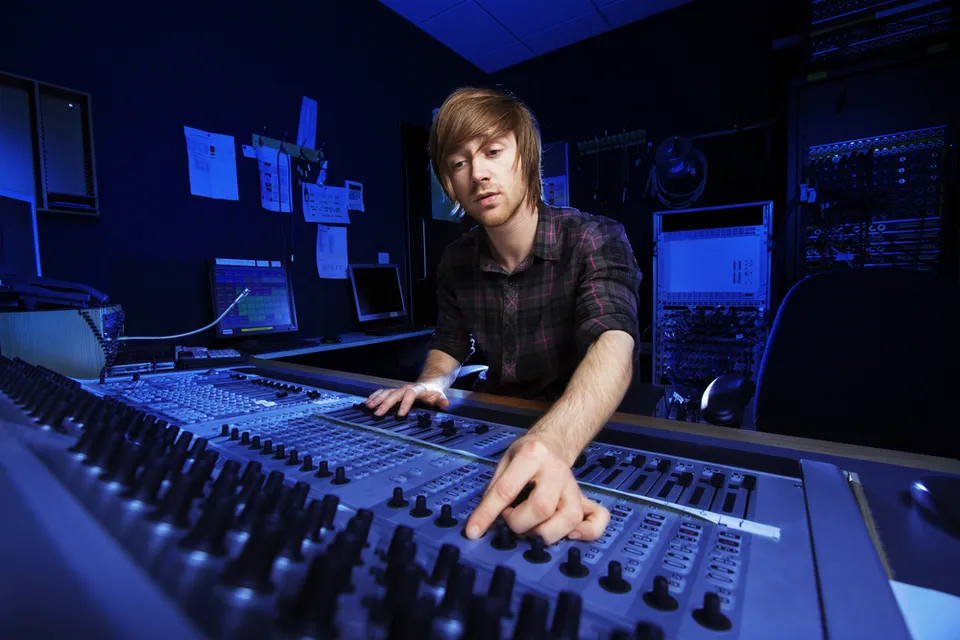
Chiswell Studios in St Albans
Chiswell Studios is a family-run audio, video and photography studio in Chiswell Green, St Albans. Its official website describes a live room with a piano, alongside a vocal booth and control room. This makes it a relevant enquiry for a pianist, but you should confirm the instrument, its condition and the recording arrangements directly.
Explain whether you want solo piano, piano with a singer or a fuller ensemble recording. Ask whether the piano will suit your repertoire and whether tuning is included or arranged separately. If you need video as well as audio, discuss that at the start: camera positions, lighting and the appearance of the room may affect the session plan.
Pandora Studios near St Albans
Pandora Studios advertises recording and rehearsal facilities serving St Albans. Its published location is at Houndswood Farm Gate on Harper Lane, Radlett, rather than in St Albans city centre. Check the address and travel arrangements carefully when comparing it with a more central option.
Ask what keyboard equipment is available for your booking and whether you need to bring your own instrument, stand, pedal and cables. A rehearsal room listing does not automatically mean there is a weighted piano keyboard or an acoustic piano. Confirm whether engineering support is included, and explain if you need a recording of the rehearsal rather than room hire alone.
Choose between acoustic piano, audio and MIDI
An acoustic piano recording captures the instrument through microphones, including some of the room’s sound. A digital piano may offer an audio output, a USB audio connection or MIDI, but these are different functions. MIDI records performance instructions rather than the sound itself. Tell the engineer the exact model you plan to use so that the necessary connections can be arranged.
There is no single best method for every project. A simple practice recording may only need a phone placed sensibly in the room. A public release or audition may need a more controlled setup. For an audition or assessment, check the receiving organisation’s recording rules before booking, especially whether editing or separate audio and video are permitted.
Prepare the music before the session
Choose the pieces and decide which sections need attention before paid recording time begins. Practise beginnings, endings and restarting from useful points within the music. If you are accompanying someone, agree the key, tempo and any cuts together. Bring readable copies of the music, with changes marked consistently for everyone involved.
Make a rough home recording and listen for practical issues: an uncertain transition, a pedal change that blurs the harmony or a tempo that becomes uncomfortable. Work on one issue at a time. A studio can capture and shape a sound, but it cannot replace knowing where the music is going. Preparation also helps you communicate more clearly with an engineer.
Agree the scope and cost
Ask what the booking includes: setup, recording, an engineer, editing, mixing and delivery of files may be charged differently. Discuss the likely session length and leave room for setup and breaks. Ask about cancellation terms, deposits and how additional work is authorised. A clear written quote is easier to compare than an hourly figure without context.
Explain how you intend to use the recording and ask which files will be supplied. You may need a listening copy as well as a higher-quality master, or separate parts for later work. Agree who keeps backups and for how long. If other musicians or a videographer are involved, clarify their arrangements separately rather than assuming everything is covered by studio hire.
Use the result constructively
Listen to a finished take first as a whole performance. Note something that communicates well before deciding what you would change. Then choose one practical improvement for your next practice session. Repeatedly examining every small imperfection can obscure the musical progress that a recording reveals, especially when you are new to hearing yourself play.
Bring a short example to piano lessons with Sabrina if you want help connecting what you hear with your practice. You can also explore the local live music guide for listening inspiration. These studios are independently operated; availability, facilities and booking arrangements should always be confirmed with the studio itself.