St Albans Cathedral
St Albans Cathedral’s music programme includes concerts and organ recitals. Its Lunchtime Live series offers short concerts on selected Mondays, providing a manageable introduction to listening in a large acoustic space. Check the individual listing for the performer, programme, ticket arrangements and access information rather than assuming every event follows the same format.
For piano students, organ music offers an interesting comparison. Listen for separate musical lines and for how a phrase moves towards its ending. An organ produces and sustains sound differently from a piano, so the playing techniques are not interchangeable. What transfers is the habit of following a melody, recognising a change of texture and listening carefully to the space between phrases.
The Alban Arena
The Alban Arena presents a mixed entertainment programme, including live music. Use its current listings to choose a concert rather than expecting a dedicated classical or piano season. The official site also provides booking, seating and accessibility information, which can help you plan a comfortable visit before buying tickets.
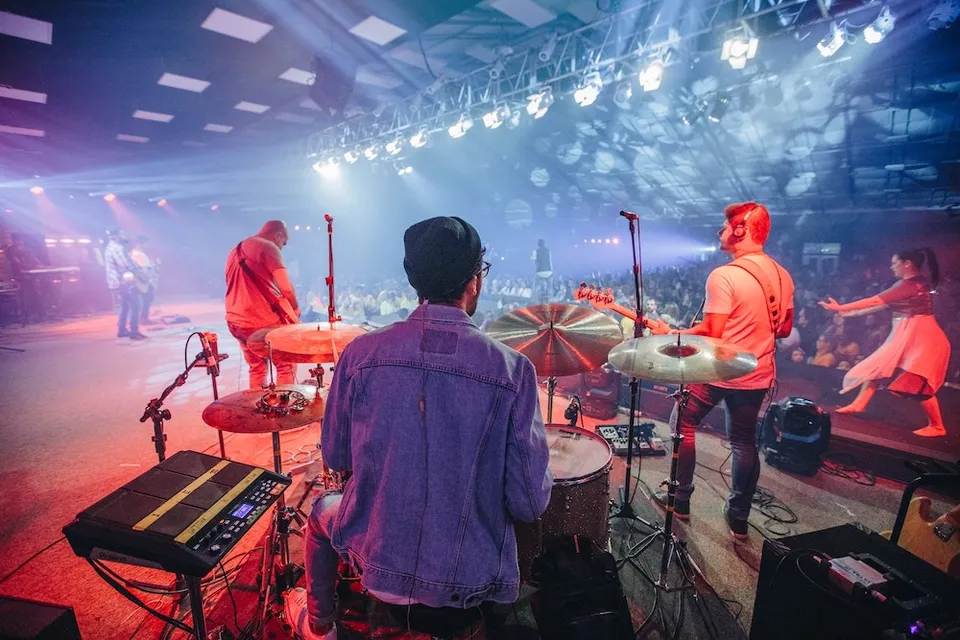
A larger production can reveal how several musical parts work together. During one song, concentrate on the bass and drums; during another, follow the singer or a keyboard part. Notice when the arrangement becomes fuller and when it leaves room. These changes can suggest ways of shaping a piano arrangement without trying to reproduce every instrument at once.
The Horn
The Horn, on Victoria Street, has an active programme of live music. Check its event listings and venue information for the particular show you are considering, including admission and age restrictions. A pub gig and a seated recital offer different experiences; neither needs to be your only way of discovering music.
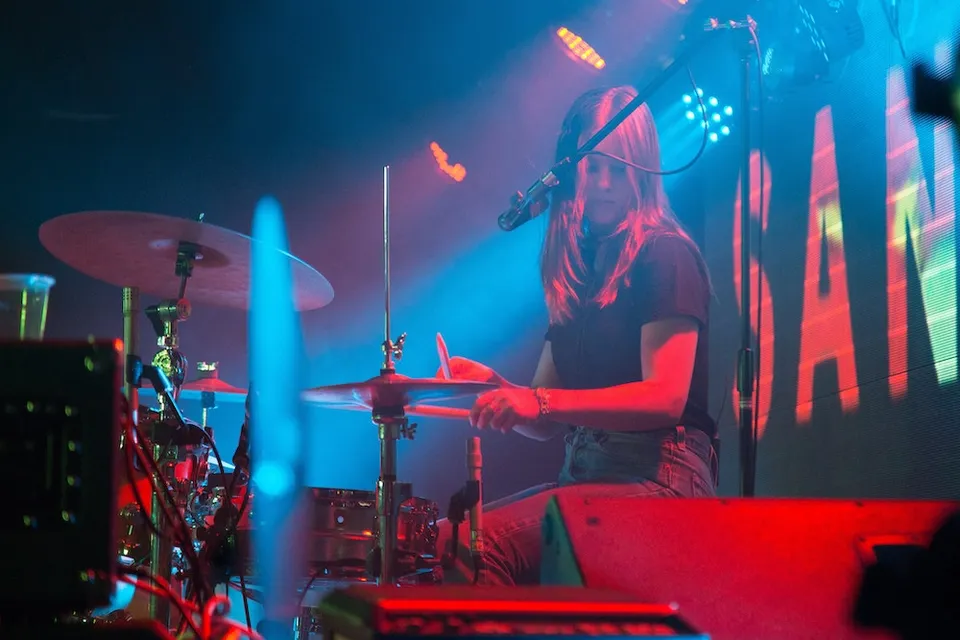
In a band setting, listen for how musicians begin together, signal changes and recover when a phrase does not go exactly as expected. A keyboard player may spend much of a song supporting the group rather than playing a solo. Even if your own lessons focus on solo piano, this awareness can improve your sense of pulse and your ability to listen while playing.
Choose one listening task
Trying to analyse an entire performance can make a concert feel like homework. Instead, choose one detail: how quietly a phrase begins, where a repeated idea changes, or how the accompaniment responds to the melody. Listen naturally for the rest of the time. Enjoyment matters, and a memorable musical moment often provides a better starting point than a page of technical notes.
Afterwards, describe one thing in ordinary language. Perhaps a passage felt light, a pause created suspense or the bass made the music feel grounded. You do not need to know the theoretical name immediately. Bring that observation to a lesson and explore how a similar effect might be created in a piece you already play.
Prepare for a relaxed visit
Check the running time, interval arrangements, transport home and whether seating is reserved. For a child’s first concert, a shorter suitable programme may be easier to enjoy than a long evening. Ask the organiser about any access needs in advance. Published event details can change, so use the official booking page for the final arrangements.
Follow the venue’s guidance about photography and recording. You can remember a useful detail without filming the performance, and a programme or a note made afterwards is often enough. At amplified shows, consider hearing protection and a comfortable listening position. The aim is to leave curious and inspired, rather than tired from trying to take in everything.
Bring the experience back to the piano
Choose a small experiment after the concert. Play a familiar melody with a gentler accompaniment, practise a clean ending or try a phrase with a clearer rise and fall. Record a short passage at home and listen once for the feature you are exploring. Keep the experiment manageable so that it becomes part of regular practice.
If you would eventually like to perform, discuss a realistic first step in piano lessons. Playing one prepared piece to a friend can be valuable before considering a public event. This guide lists listening opportunities, not guaranteed performance slots or open piano access. Contact an organiser directly about participation, equipment and requirements before making plans.